sonoma county

More Forestville stories: Who was Minnie Lehn Winkler? by Beth Winegarner

Last week, I wrote that Malcolm Melville and Mary Vargas bought the house I grew up in in 1944 from a woman named Minnie Lehn Winkler. But who was she?

She was born Minnie Stridde on May 23, 1878, in California to Carl Stridde, an immigrant from Prussia, and Marie Gustafsson, an immigrant from Sweden. How they met and married is unclear, but Minnie was probably the youngest of seven children. In the 1880 census, the family was living in Santa Rosa, where Carl was a farmer and Marie was a housekeeper. 

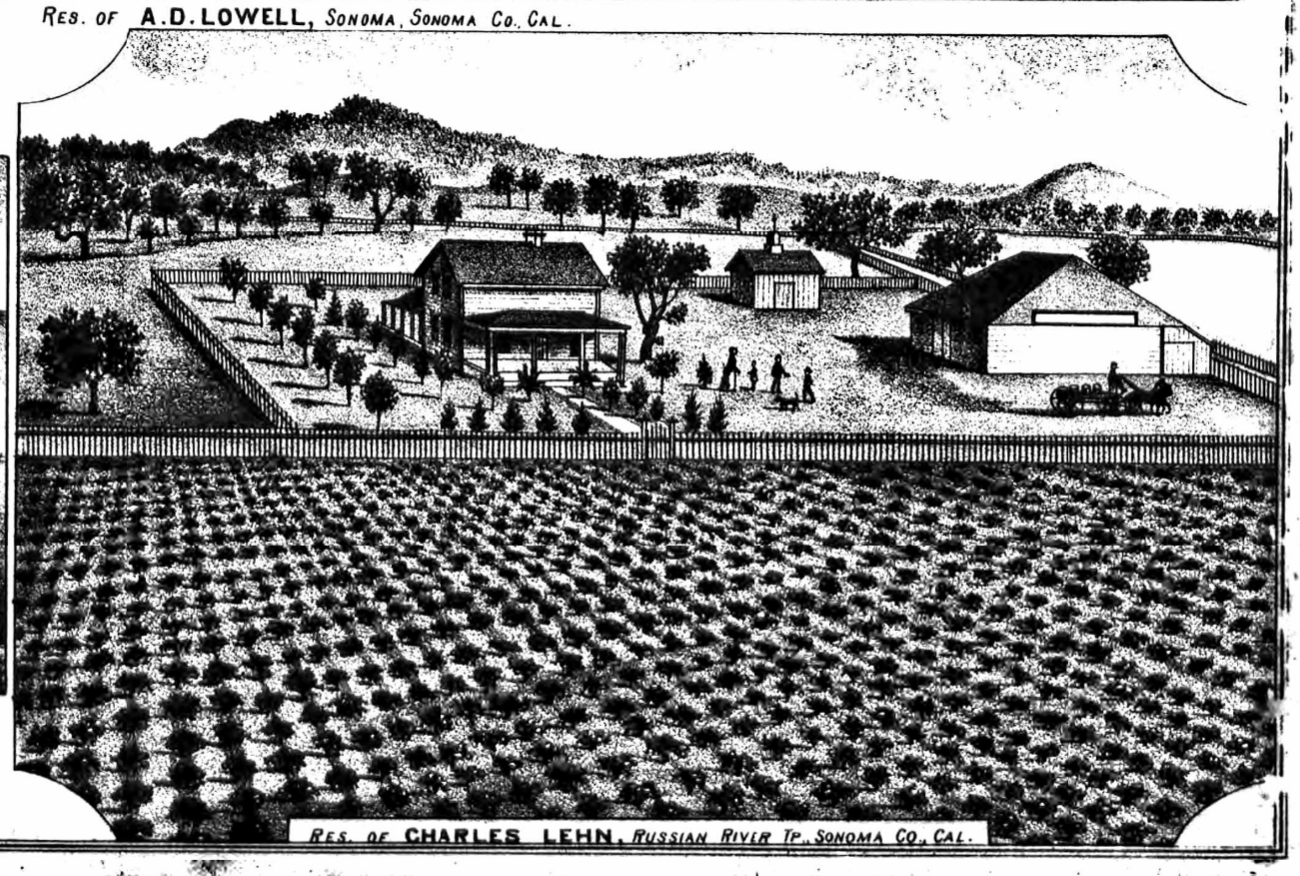
As a young adult, Minnie began working as a teacher in the Star school district, a couple of miles southwest of Windsor and northeast of Forestville. She was a popular teacher; at the end of the fall term in November 1899, her students gifted her a gold pen. The school had just undergone a number of significant repairs thanks to William Lehn, a 32-year-old bachelor whose father, Charles, grew grapes and made wine next door. 

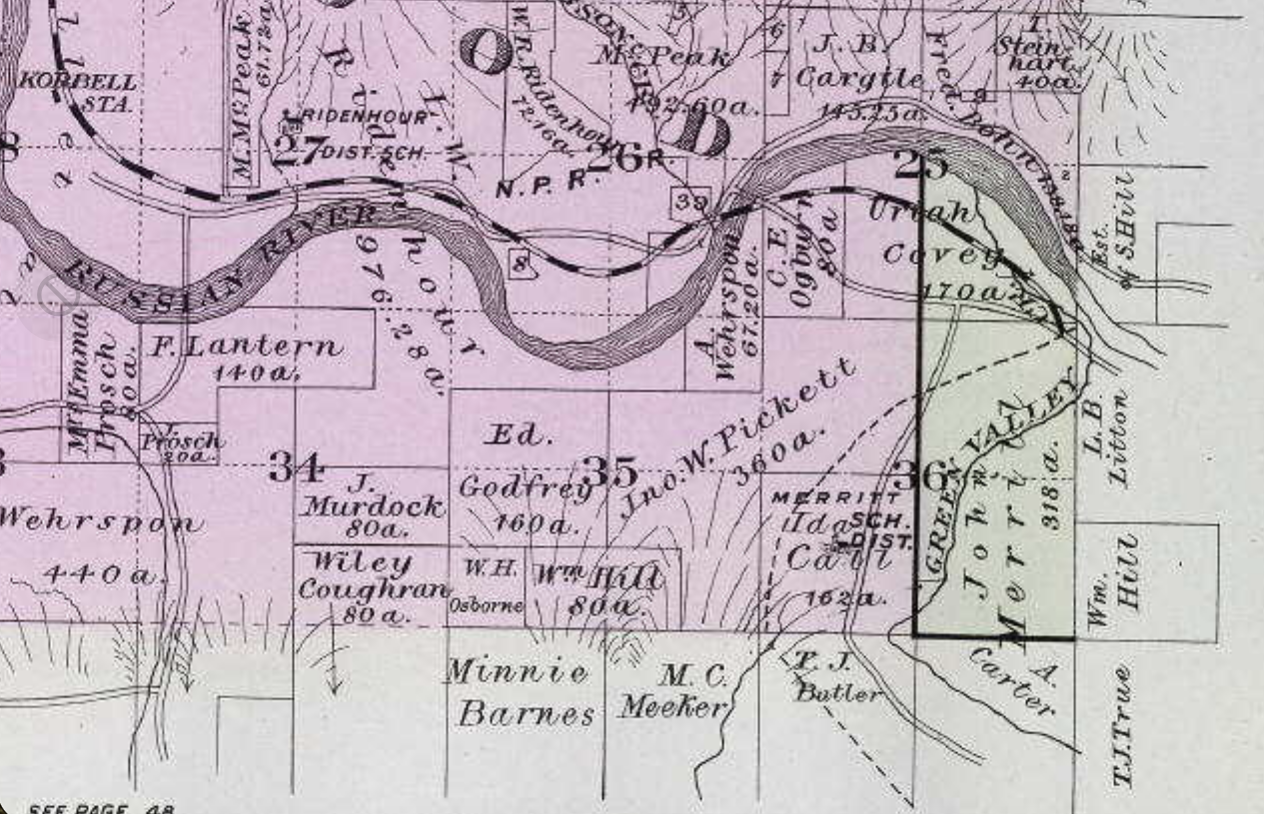
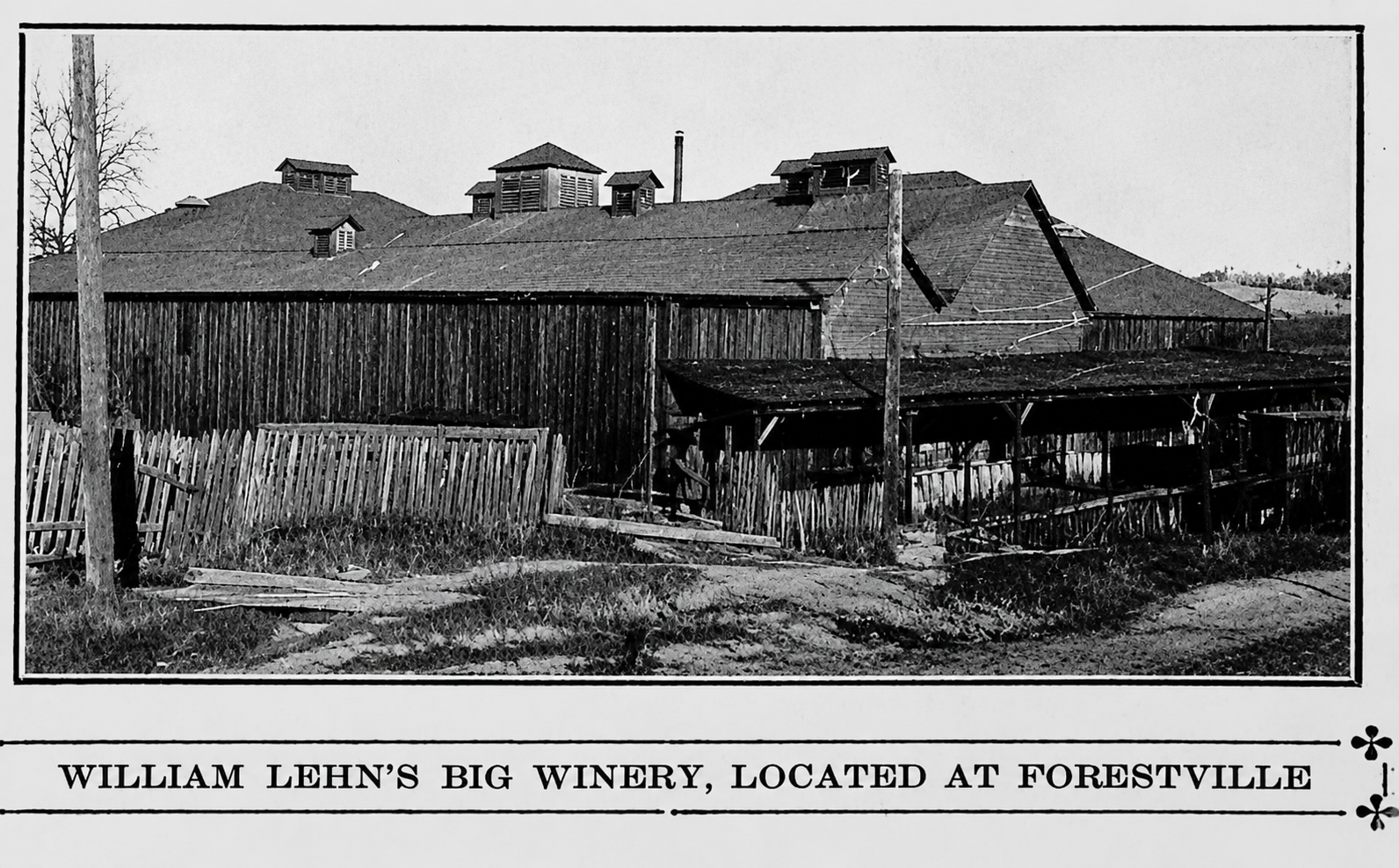
Over the next couple of years, William bought several parcels of land in Forestville on the corner of Covey Road (back then called Foerster or East Street) and the county road (now Highway 116) and got to work building a winery of his own. By February 15, 1902, he’d produced enough bottles of wine — which varietal was never specified — to sell 165,000 gallons to the thirsty denizens of San Francisco. 

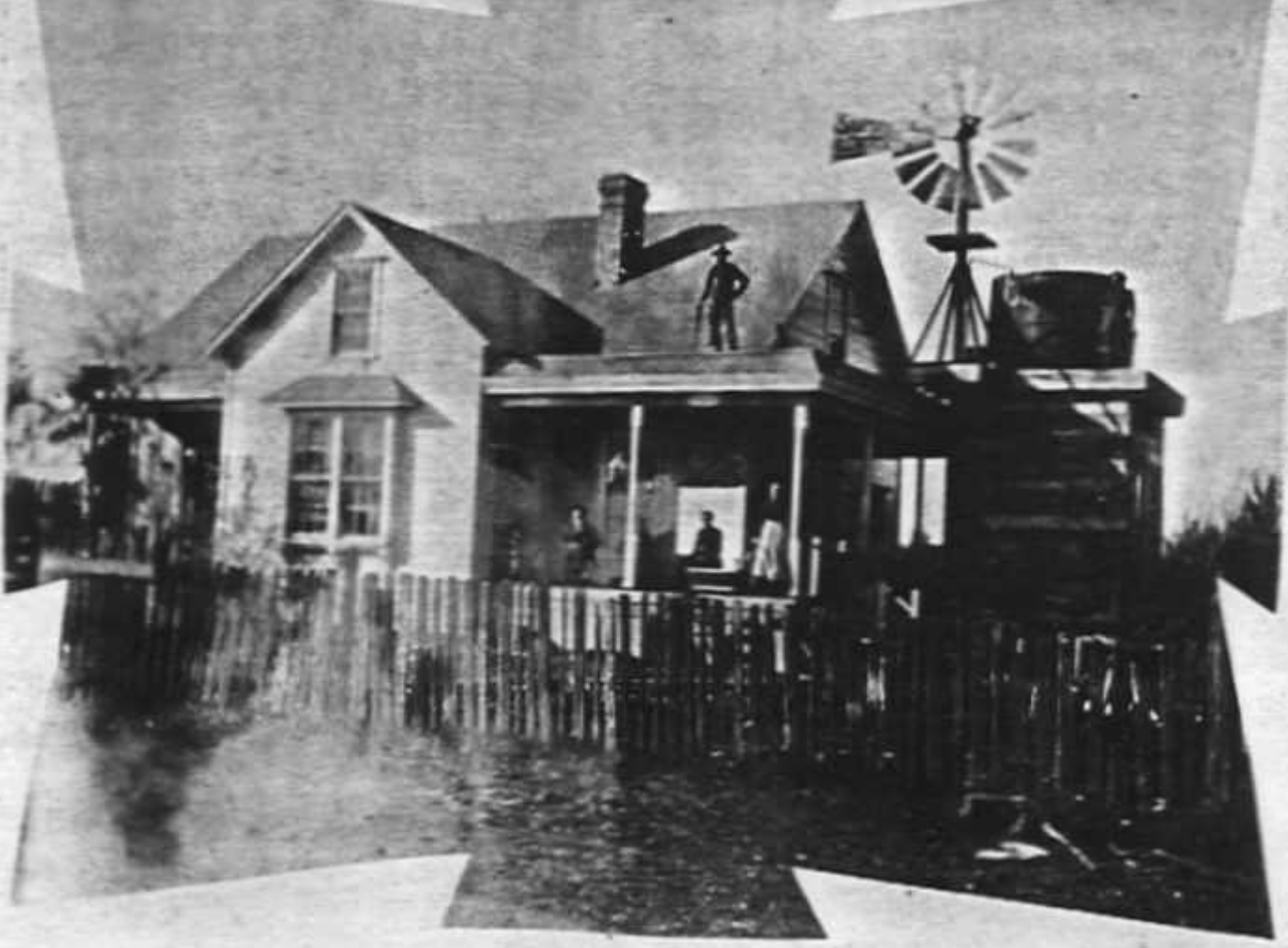
I can’t say for sure, but it’s very likely that William, with his new income and his building skills, raised the house on Covey Road where my family lived. Records state that the original structure was constructed sometime around 1900, with significant remodeling in 1920. 

Before Lehn’s winery arrived on the corner of Covey and 116, the site hosted a hotel for early travelers, called the Johnson Hotel for its owner, James W. Johnson. In the early 20th century, Forestville was changing constantly. Lehn successfully petitioned the county to bring telephone service to the town in 1903, and was instrumental in bringing an electric rail line to Forestville not long after, perhaps to help him ship so much wine. Johnson moved the hotel a block or so south, next to the railway, and renamed it the Electric Hotel, which freed up land for Lehn to expand his winemaking operation. 

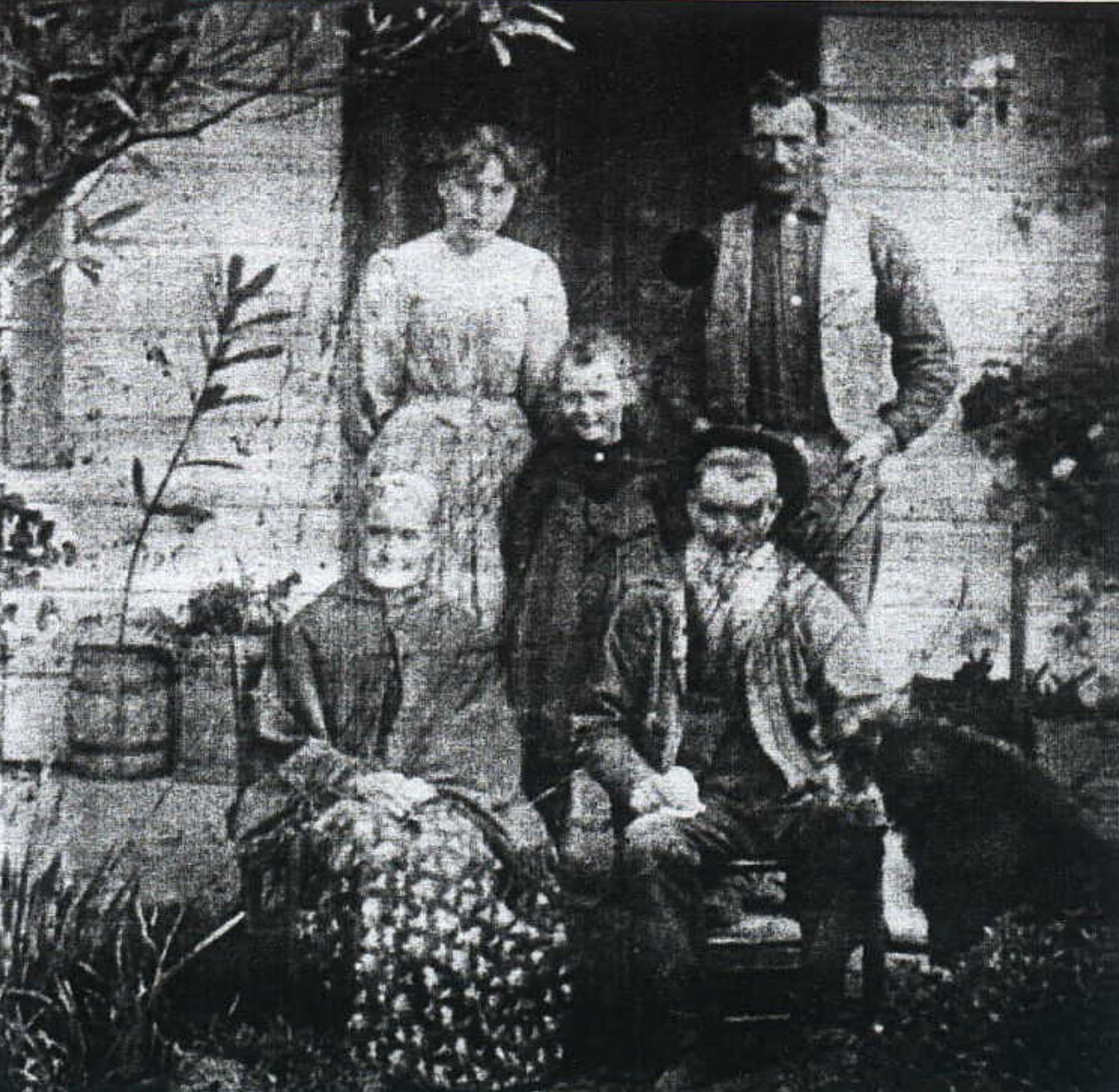
Meanwhile, a romance was blossoming between William and Minnie, who married January 3, 1907 in Berkeley. Their only child, William Duncan Lehn, was born February 24, 1908. He was probably the first child to grow up in the house I later knew as my own. 

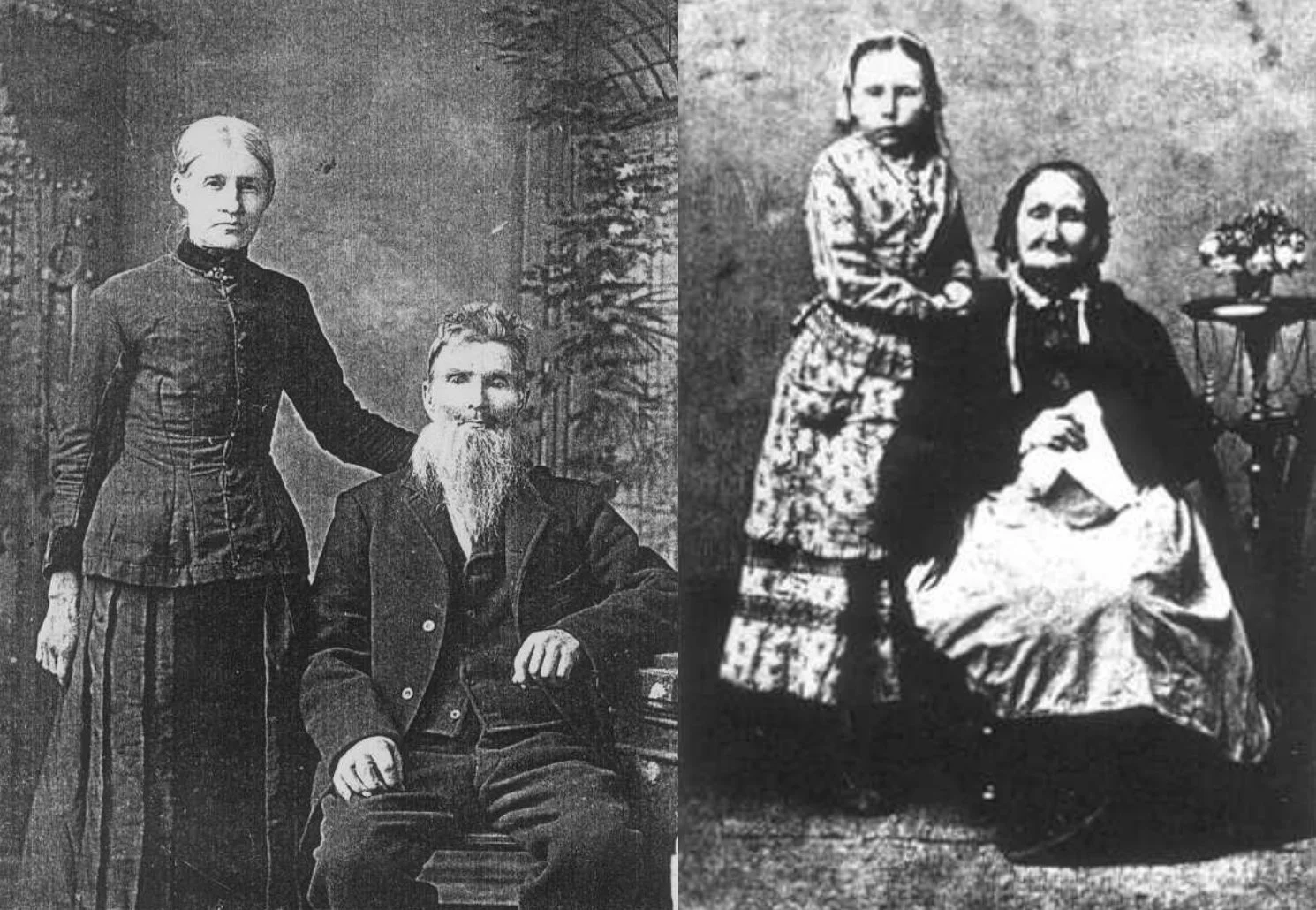
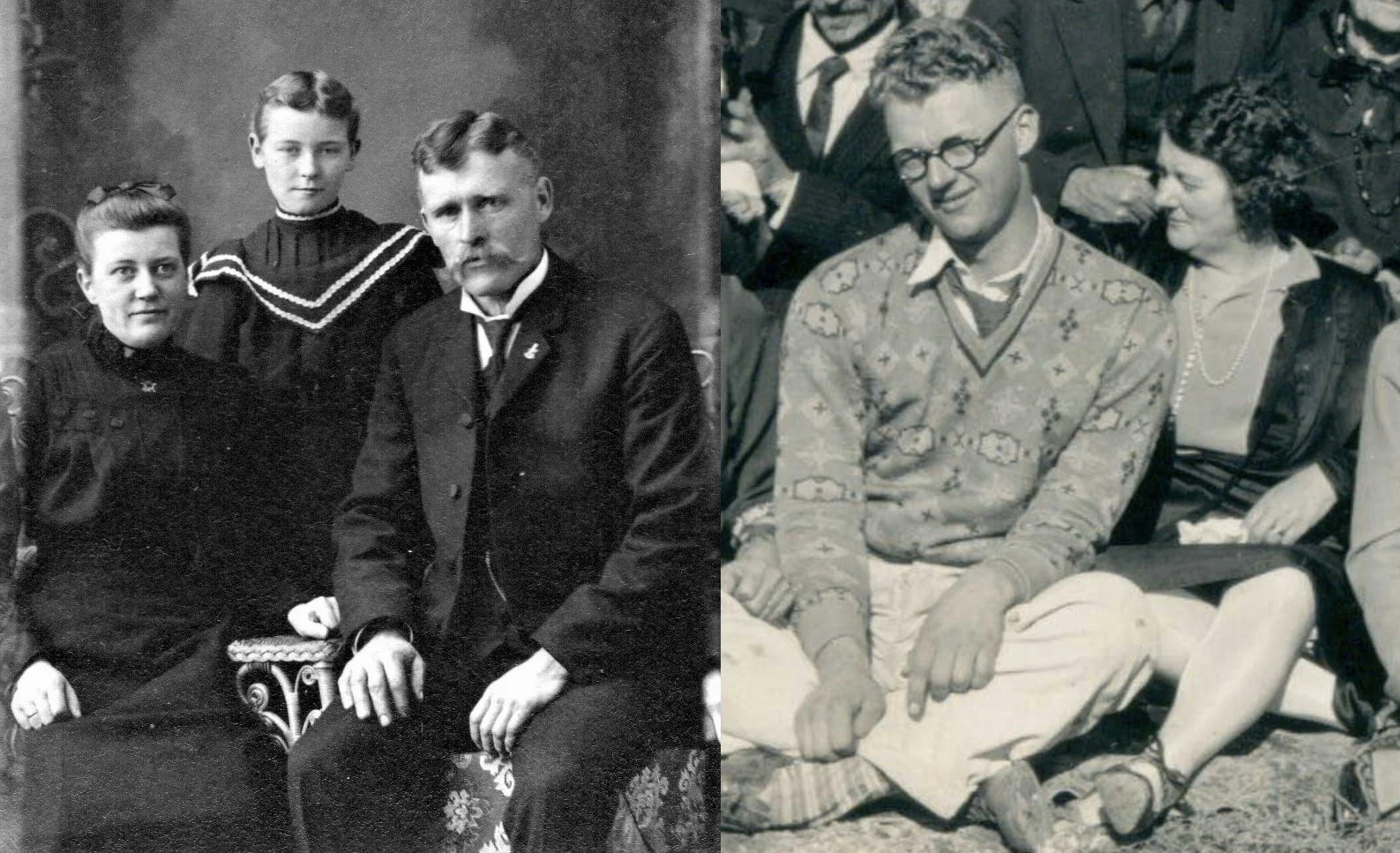
Left: (L-R) Minnie, William Jr., and William Lehn, probably around 1915. Right: William Jr. and Minnie sometime in the 1930s. Photos courtesy Ancestry.com.

The winery endured hardship many times, including in the 1906 earthquake. “The wine tank could not withstand the strain and burst in every direction. I lost in the two cellars about two hundred thousand gallons of wine,” he wrote to a colleague, Leopold Justi, about three weeks after the quake. 

Already, that year’s vines were dry and struggling; someone who’d offered to buy them had backed out. “I believe the best thing is to burn them for I do not believe anyone would buy them at any price.” 

Most years, though, were pretty good for William and Minnie. Newspapers eagerly reported the winery’s impressive output once or twice a year in their occasional “news from Forestville” segments. 

But in September 1915, hardship struck again when the winery caught fire, igniting in the distillery building, damaging buildings and machinery and destroying about 400,000 gallons of wine. Some of that wine, local papers reported, flowed to a nearby hog ranch, where they:

“quaffed copiously and long of the flood of vintage. They drank so much, too, that they became intoxicated so that they could do nothing else save lie down in the crimson stream. The hogs would have been drowned, too, had not the farmer and his men gone to their rescue. They had to be pulled out of the wine, and from Forestville came word Monday that they were still sleeping off their drunk.”

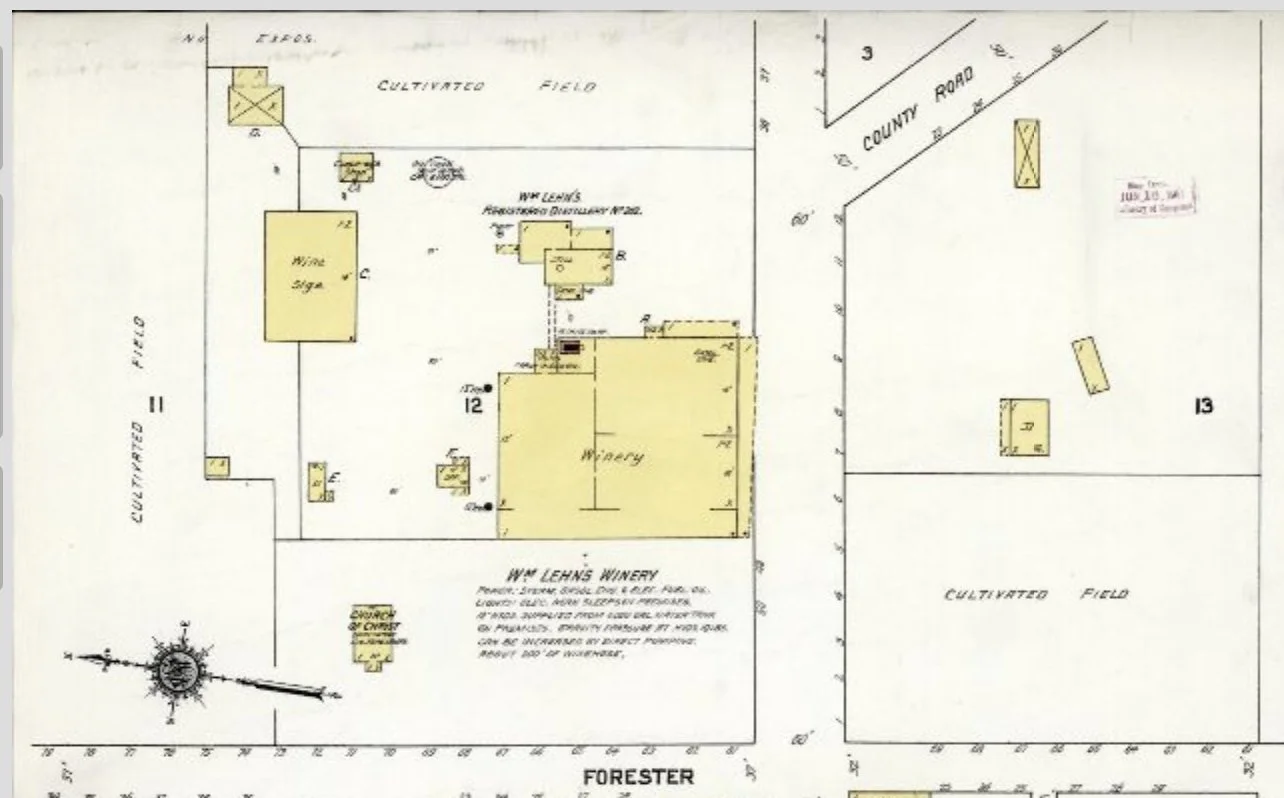
Sanborn map showing the Lehn winery property in Forestville in 1911. The house would have been off the map to the left/north, beyond the cultivated field.

Another misfortune was looming on the horizon. The temperance movement had been building for decades, and several other states had already outlawed the manufacture, sale and purchase of alcohol. Prohibition became law in California on January 16, 1920, wiping out William and Minnie’s livelihood. 

That May, William sold what appears to have been his last batch of wine, according to a local newspaper:

“Word of the sale of another large consignment of Sonoma county wine was told Wednesday by W. D. Wiley, well known Green Valley grape grower and orchardist. Wm. Lehn of the Forestville winery has sold 100,000 gallons of wine at fifty-five cents a gallon, following a previously announced sale of two carloads at fifty cents a gallon. This will be good news to a number of grape growers of the Forestville section, who had their grapes crushed at the Forestville winery last year, the financial return from which depended upon the sale of the wine. Mr. Wiley is one of the fortunate grape growers who disposed of his product in this way last year.”

And in late June 1920, four teens broke into the winery to steal as many bottles as they could get away with, before they were surrounded “by a posse of citizens and taken into custody” and charged with malicious mischief.

In September, William ran a help-wanted ad, seeking a man to assist with farm and ranch work. It’s possible, even likely, that this is when the property began converting to apple-growing. 

On a rainy day in March 1922, Minnie, William, and William Jr. were in a car with their friends, Mr. and Mrs. Charles Newman of Santa Rosa, driving to San Francisco when the car hit a slippery patch of road near San Rafael and went off the road, plunging 20 feet down an embankment. 

William’s skull was fractured and he sustained internal injuries. Minnie’s leg was broken. Charles also sustained internal injuries, and his wife and William Jr. came away with cuts and bruises. 

William died of his injuries the next day. Minnie was hospitalized for months, and finally returned home August 5, 1922; she was still walking with crutches. It’s not clear who looked after William Jr. during this period. 

Love, and perhaps also necessity, led Minnie to remarry in December 1927. Her groom was Edward Winkler, who’d grown up just south of Forestville. He’d been married before, too, to Maude Newell, and they had two sons together, Orlo and Elmer. But by the late 1920s they’d divorced and Maude was living with Orlo in Oakland. After the wedding, Edward and Elmer moved in with Minnie and William Jr. in Forestville, and Edward was employed running a farm operation — possibly at the house. 

William Jr. married Margaret Chalmers when he was 29, and they moved soon afterward to Kings County, California. Minnie and Edward remained in Forestville for many more years, until Edward’s death on July 18, 1942. Minnie, then 64 and potentially still disabled from the crash, probably got tired of rattling around the big old house by herself or struggling to keep up with the farm and home maintenance, and sold the property to Malcolm and Mary in 1944. 

Minnie traveled some in her later years, including to England and Hawaii, and eventually went to live near her son in Kings County, where she died in 1970 at the age of 91. She is buried next to Edward in the Odd Fellows Cemetery in Santa Rosa, while William Lehn rests in a nearby plot. William Jr. died in 1979, at age 71. He and his second wife, Evelyn are buried in Lemoore Cemetery in Kings County. 

An obituary of Minnie’s life confirms that “as a young woman she lived in Forestville at the corner of Covey and Van Keppel roads with her husband, William Lehn, and young son, William.” There’s only one other house on that corner, and it was built in 1952, too late for it to have been their home. 

Next time, I’ll get into the story of Forestville native Lydia Davis, her dad, carp farmer Levi Davis, and her husband, Thomas Linton, who sold the land to Willliam and Minnie Lehn that they built their house on. 

More Forestville stories: Malcolm, Mary, and "Mama" Carr by Beth Winegarner

After my last post about Hichijiro Ito, Tomiye Mizutani and their family apple farm in Forestville, California, my dad and one of our former neighbors reminded me that our properties used to be part of a chicken farm before they were divided into smaller parcels in the 1960s for individual homeowners. 

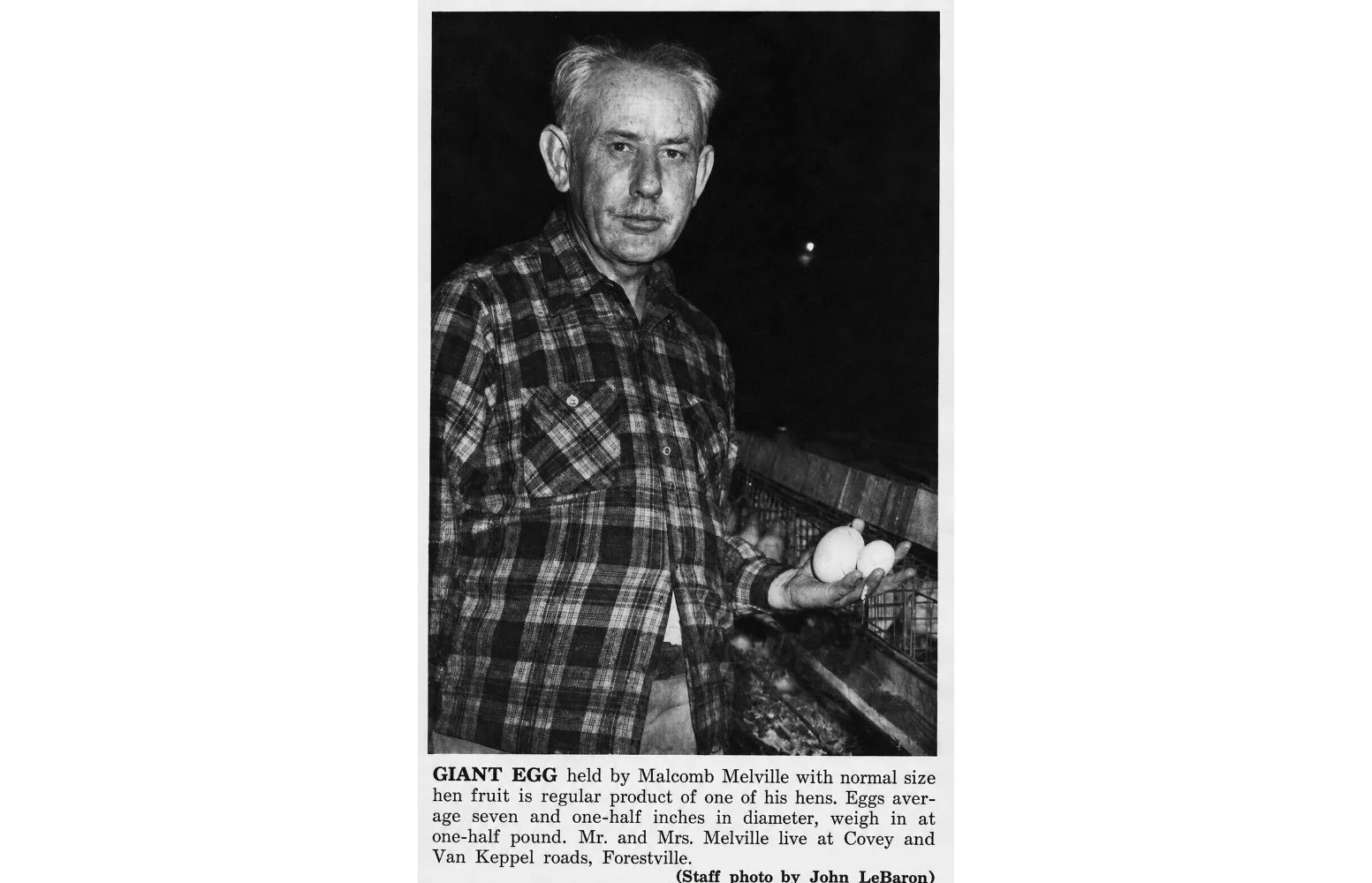
That sparked another wave of research, and I discovered who lived in our house and ran that chicken ranch: Malcolm Melville (no idea if he’s related to Herman) and his wife, Mary Vargas. 

Malcolm and Mary purchased the land from Minnie Lehn Winkler in October 1944 (we’ll get to her in a future post!). At the time, the land was an apple ranch, according to a family history book titled “The Spilman Papers,” which makes sense, considering that much of the town was apple orchards and there was a fruit-drying operation down the street. They converted the land to a chicken farm in 1949, selling the eggs for “table use,” or home cooking, the history book says. 

On the other hand, the previous owners placed a help-wanted ad as early as 1919, saying they were looking for a husband and wife team to run a chicken farm, so it’s hard to say for sure when it converted from one to the other. 

Let’s go back to the beginning. 

Malcolm Leslie Melville was born in Chicago, Illinois, on January 18, 1897, to James Melville and Nannie Spilman. He grew up in nearby Wilmette, attended New Trier Township High School and, in 1916, went to Clark College in Worcester, Mass. In 1917 he enlisted in the U.S. Navy and served in WWI, becoming a radioman. After the war, he worked as an assistant radioman at Pearl Harbor, then took a job in 1925 with the Associated Oil Company. They brought him to their San Francisco office, where he served as an accountant for almost 20 years. 

His first marriage was to Irene Neff of Nebraska, in 1920; their son, Malcolm Jr., was born in 1921 or 1922. The marriage was brief, and Irene and their son stayed behind in Illinois when Malcolm moved out to California, where he married Katherine Lovejoy Morgan in 1927. But they split up, too, and Malcolm married Mary Vargas on September 26, 1939. 

They were married at A'ts'ina/Inscription Rock in Morro, New Mexico, under the pines in a “simple but impressive ceremony” followed by “a supper in the Custodian’s cabin.” 

Mary was born April 29, 1901, in Brooklyn, a former town in Alameda County, California, that was later annexed to Oakland. Her parents were Joseph Vargas and Rose Victorino, both of whom were born in the Azores. Malcolm was her first husband and, as he worked as an accountant in San Francisco, she worked as a typist. They lived with Mary’s dad in San Leandro. 

It’s not clear what prompted them to leave the big city and gamble on an apple farm in Forestville, but in 1944, Malcolm was 47 and Mary was 44; maybe they felt it was time to get out of the corporate world. As the chicken business spun up and WWII ended, they hired local Japanese-Americans and trained them to raise chickens, gather eggs and handle other aspects of the business. 

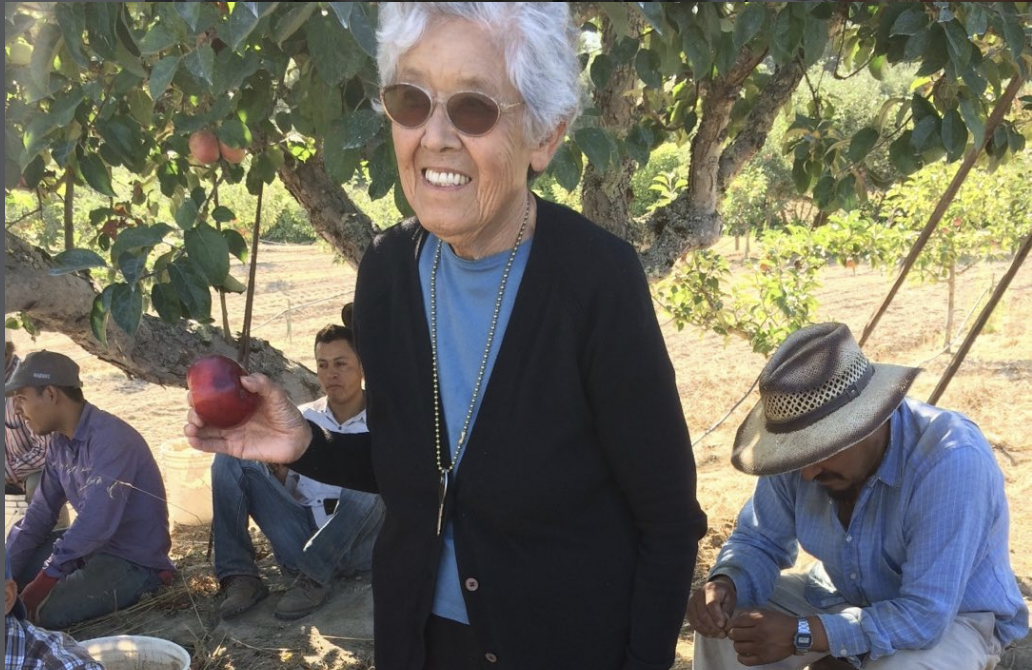
One of those workers was Michiko Kameshima, who later became known as Betty Carr; she later founded Forestville’s Carr’s Drive-In with her husband Henry and, later still, Mom’s Apple Pie. She recently died, on May 19, 2026, at the age of 95. You can read her obituary here. 

Betty (Michiko) Carr with a Gravenstein apple, courtesy of the Mom’s Apple Pie Instagram page.

In the early years at least, it seems like business was good. In 1947, a local newspaper reported, “Mr. and Mrs. Melville have been remodeling their home on Covey Road, which is now considered one of the attractive homes in Forestville.”

A few years later, in April 1952, they had a scare when Malcolm was burning brush in the yard and a cinder floated up to the roof, sparking a small fire. A newspaper reported, “Very little damage was done and all was covered by insurance. Mr. Melville had the fire under control by the time the firemen arrived, but commended the boys on their speedy answer to his call. He feels that much more damage would have been done if he had not discovered the blaze in its infancy.”

Malcolm and Mary’s work with Japanese Americans led the Japanese government to invite them to the country to travel around the islands and speak to farmers about the poultry business. They went twice, in 1956 and 1962, for a few months at a time. 

It appears business took a turn for the worse in the mid-1950s; records show that Malcom and Mary remortgaged their property in 1955, 1957, 1959 and 1961. They formally retired from the chicken business in 1960 and sold the land to Katherine Murdock in 1963, when Malcolm was 66 and Mary was 63. Murdock was the one to subdivide the land, leading to a number of new homes built around theirs/ours in the 1960s and ‘70s. 

The couple retired to Medford, Oregon, where Malcom died in 1972 at 75, and Mary died in 1990 at 89. They’re buried together in Siskiyou Memorial Park

When we moved into the house, in early 1980, there were few signs of the former chicken farm or even the apple farm before it, aside from a dilapidated shed and a couple of Gravenstein apple trees. One side of the shed became an occasional playhouse for my brother and I and his friends, and we used the other side as a chicken coop for a while, until raccoons came for most of our hens. 

At the bottom of the garden was a concrete retaining wall and patio that extended beyond the fence and to our neighbors’ yard, where a large round basin in the concrete used to be filled with water for the chickens to drink from. It may still be there. 

I’m fascinated by the idea of “land ancestors” — people who had a relationship with a place before we did. These folks are some of my land ancestors, and I love that they had a close and agricultural connection to the place where I grew up.

Next time, I’ll write about the lives of Minnie Lehn Winkler and her first husband, William Lehn, who ran a successful winery in Forestville in the years before Prohibition. 

Every loop and curl of the journey memorized by Beth Winegarner

Bittner Road, a narrow two-lane road in western Sonoma County bordered by trees. Photo from Google Maps.

I only got my driver’s license the year I turned 19. It was my second semester at Santa Rosa Junior College, and my friends Elizabeth and Maia, who were my ride to school, were leaving for a semester abroad in Paris. The bus from the JC to my tiny Western Sonoma County town only ran every two and a half hours, and stopped running at 4:30 in the afternoon. I had no other option. 

When I learned to drive, it was in a 1971 Mercedes 220 that my dad brought over from Germany after a visit in 1970. Although it was the compact car of its model line, it was heavy — 3,031 pounds of steel body, with no power steering or brakes to help a petite teen like me tame it. Plus, when I learned to drive it, the engine would stall when the car stopped, so I learned to brake with my heel and feather the accelerator with my toe to keep it from dying. But soon, I mastered it. And on hot days, I drove barefoot. 

Although I was late to the driver’s seat, I came to love driving almost immediately, especially on the twisty backroads of Western Sonoma County. Pop a CD into the car stereo — Dead Can Dance, Alice in Chains, Fields of the Nephilim — and swoop along that ribbon of asphalt, deep into the woods, out to the wild Pacific shore. 

Highway 116 west to Goat Rock Beach was one of my favorites, from the drizzly redwood towns of Hacienda and Rio Nido to the cow-dotted fields closer to the coast. Or Bodega Highway west to Highway 1, steep hills rising on either side of the road until it opens out into the quintessential beach town of Bodega Bay, made famous by Alfred Hitchcock and some aggressive seagulls. 

For a while, a friend of mine lived in Joy Woods, west of Occidental, and I loved finding ever-more-obscure ways home from their place: Joy Road to narrow, curvy Bittner Road to Graton Road, with its open fields and pasture land, was a favorite. Or veer off Graton to oak-dotted Harrison Grade Road to Green Valley Road, which more than lived up to its name. I felt safe on those nearly empty roads, trees and more trees guarding me, melancholy music in my ears, body swaying as the car slalomed through the curves. 

There was a skill to it. Slow down and downshift before a sharp turn, then slowly accelerate and shift back up as you come out of it, belly dropping as you pick up speed. Heave the steering wheel like a fisherman in a rising tide. Back then, I pushed the speed limit, ever frustrated with cautious drivers and tourists who didn’t have every loop and curl of the journey memorized. The rule was, if more than five cars were piled up behind you, you needed to pull off, but not everyone obeyed. They slowed me down, interfered with my flow and flight along the road.

When I moved away to attend U.C. Berkeley a few years later, I could still picture those backroad routes in my mind. On nights when I couldn’t sleep, I’d trace them: Joy to Bittner, Bittner to Graton, Graton to 116. Evergreen boughs flashing in my peripheral vision, dappled sun streaming down, painting everything gold. Or high-beams piercing the deep darkness, like something out of a David Lynch project.

I returned recently, but it wasn’t the same. I’m a much more cautious driver now, despite the power steering, and the data signal was too weak to stream more than one or two Dead Can Dance songs before the music cut out. But my feet remembered to slow down before the turn, then rev my way out of it like an aircraft picking up speed. And the narrow, tree-lined pathways still felt like home.